
Exploring the psychology behind casino games
Understanding the Allure of Gambling
The psychological allure of gambling is intricately woven into the fabric of human nature, drawing individuals into a world where risk intertwines with reward. This captivating experience is often fueled by the thrill of uncertainty, as players engage in games where outcomes are unpredictable. In addition to traditional options, many turn to sports betting sites canada that enhance the excitement, making the act of placing a bet even more enticing. The very act of placing a bet can stimulate the brain’s reward system, releasing dopamine—a neurotransmitter associated with pleasure. This chemical response not only enhances feelings of excitement but also reinforces the desire to continue gambling, as even small wins can create a euphoric high that players yearn to experience repeatedly.
Moreover, the diverse motivations behind why people gamble reflect a wide array of psychological needs. For many, casino games serve as a form of escapism, allowing them to momentarily disconnect from the stresses of daily life. The immersive environments of casinos—characterized by vibrant lights, lively sounds, and engaging decor—are designed to transport players into a realm of possibility and excitement, effectively distracting them from their everyday concerns. This combination of sensory stimulation and emotional relief creates a potent cocktail that keeps players returning to their favorite games, often at the expense of their better judgment.
The social aspect of gambling is another significant factor that enhances its allure. Many casino games inherently promote interaction among players, fostering a sense of community and shared experience. Whether gathered around a blackjack table or cheering for a winning spin on a slot machine, players often find camaraderie and connection in these shared moments. This social engagement not only enriches the gambling experience but also encourages individuals to return to casinos, as they seek to replicate the joy of shared victories and the bonds formed with fellow players.
The Role of Cognitive Biases
Cognitive biases play a pivotal role in how gamblers perceive their chances of winning and influence their betting behavior. One prevalent bias is the illusion of control, where players mistakenly believe they can affect the outcome of games that are fundamentally based on chance. This illusion often leads to overconfidence, as players develop a false sense of mastery over games like roulette or slots. The belief that they can outsmart the odds can result in prolonged gambling sessions, as players convince themselves that their intuition or strategies will yield better results, even when statistical evidence suggests otherwise.
The gambler’s fallacy is another cognitive distortion that significantly impacts decision-making. Players may fall into the trap of thinking that previous outcomes can influence future results, leading them to irrationally believe that a streak of losses is bound to be followed by a win. This erroneous thinking can perpetuate gambling activity, as players justify their continued betting with the hope that their luck will eventually change. Understanding these cognitive biases is crucial for both players and casino operators, as it highlights the psychological underpinnings that drive gambling behavior and the potential for misunderstanding risk and reward.

Recognizing these biases can empower players to adopt healthier gambling habits. By developing awareness of their cognitive misconceptions, individuals can approach gambling with a more realistic mindset, reducing the likelihood of excessive play and promoting a more balanced perspective. Furthermore, casino operators can leverage these insights to create environments that encourage responsible gambling practices, helping to mitigate the risks associated with cognitive biases and fostering a safer gaming experience for all participants.
The Impact of Environment and Design
The design and ambiance of a casino are meticulously planned to enhance the psychological experience of gambling. Upon entering, players are enveloped in a sensory environment that stimulates excitement, with bright lights, vibrant colors, and captivating sounds all meticulously orchestrated to evoke feelings of joy and anticipation. This carefully engineered atmosphere not only attracts players but also prolongs their stay, as they become immersed in the thrill of the games. The psychological impact of such environments cannot be overstated; they are designed to create a sense of urgency and exhilaration that encourages players to engage more deeply with the gaming experience.
Furthermore, the strategic arrangement of games within a casino can significantly influence player behavior. High-stakes games are often positioned in prominent areas to draw attention and create a buzz, while more casual gaming options might be tucked away in quieter corners. This deliberate placement serves to maximize foot traffic and creates a dynamic atmosphere that keeps players engaged. By understanding how the layout affects player interaction, casinos can craft experiences that not only entertain but also optimize the potential for increased betting activity.
The provision of complimentary services also plays a crucial role in the casino experience. Many establishments offer free drinks, meals, or other incentives to keep players within their premises, enhancing the overall enjoyment of their time spent gambling. These rewards create a perception of value, further solidifying players’ emotional connection to the casino. By intertwining psychological elements with practical offerings, casinos can cultivate loyalty and transform occasional visitors into regular patrons, ensuring a steady stream of players eager to return.
User Behavior and Decision-Making Processes
User behavior in casino settings is heavily influenced by a myriad of psychological and emotional factors. The drive for immediate gratification often leads players to chase quick wins, particularly in environments where instant feedback is provided, such as slot machines or electronic gaming devices. This immediate reward system can trigger heightened excitement, prompting users to increase their bets impulsively without fully considering the potential consequences of their actions. The fast-paced dynamics of these games create an environment ripe for impulsive decisions, as players become consumed by the thrill of the moment.
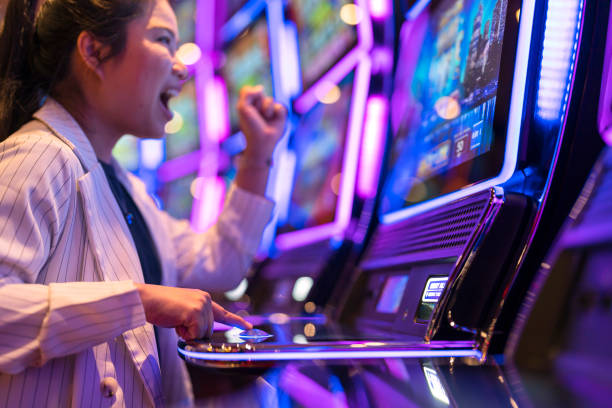
The influence of peer behavior cannot be underestimated either. Observing others experience wins or enjoy their gaming sessions can create a herd mentality, where individuals feel compelled to partake, often disregarding their personal limits. This social influence amplifies the excitement of gambling and can lead to riskier betting behaviors, as players may feel emboldened by the actions of those around them. Casinos often capitalize on this phenomenon by hosting group events and creating communal spaces that encourage participation, further driving engagement and increasing the likelihood of larger wagers.
Emotional states also significantly impact decision-making processes within the gambling environment. For some, gambling serves as an escape from negative emotions, leading individuals to chase losses by betting larger amounts in an attempt to regain a sense of control. Conversely, heightened excitement can cloud judgment, resulting in impulsive decisions that may lead to regret. By understanding these emotional triggers, players can develop strategies to make more informed choices and establish boundaries that promote healthier gambling practices, ultimately enhancing their overall gaming experience.
Responsible Gaming and Psychological Insights
As the conversation surrounding gambling addiction and its psychological implications evolves, the importance of responsible gaming has come to the forefront. Operators are increasingly recognizing the necessity of equipping players with the tools and knowledge needed to understand their psychological limits. Strategies such as setting personal betting limits, taking frequent breaks, and encouraging self-reflection are essential in helping players maintain control over their gaming experiences. By fostering self-awareness, individuals can navigate the complex landscape of gambling more responsibly, reducing the risk of developing harmful habits.
Moreover, educational initiatives aimed at enhancing understanding of the psychological aspects of gambling are gaining traction within the industry. Many casinos now invest in resources that provide players with critical information about responsible gaming practices, recognizing the signs of compulsive behavior, and encouraging individuals to seek help when necessary. This proactive approach not only benefits players by promoting healthier gambling habits but also enhances the reputation of gaming establishments, as they demonstrate a commitment to supporting the well-being of their patrons.
Ultimately, the interplay between psychology and casino gaming underscores the importance of fostering a culture of responsible gaming. Both players and operators share a responsibility to create environments that prioritize awareness and mental health, ensuring that the excitement of gaming does not overshadow the significance of responsible behavior. Through ongoing education and supportive measures, the gaming community can work collaboratively to cultivate a safer, more enjoyable experience for everyone involved.